Behind the Brush: The Creative Process of an Oil Colour Portrait Artist
Behind the Brush: The Creative Process of an Oil Colour Portrait Artist
- December 4, 2024,
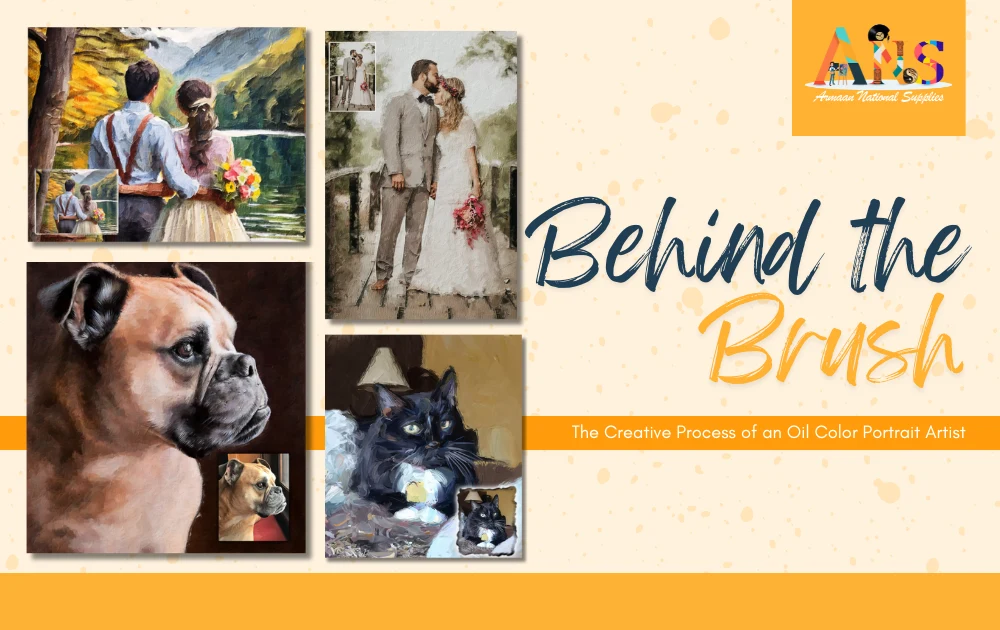
Portrait painting in oil has stood as a timeless medium for capturing the essence of human emotion, personality, and character. Its allure lies not only in the vibrant pigments and textures but also in the creative process of the artist who brings a blank canvas to life. Let’s take a journey behind the brush to explore the intricate steps, techniques, and inspiration that define the artistry of oilcolor portrait painting.
The Magic of Oil Color Portraits
Oil painting portraits have been cherished for centuries for their depth, realism, and richness. From historic masterpieces to modern interpretations, this art form continues to captivate. The process combines technical skill, creativity, and an understanding of human anatomy and emotions. Whether it’s a custom oil painting portrait or a piece inspired by abstraction, the oil medium offers endless possibilities for artists to express their vision.Step 1: Conceptualizing the Portrait
The journey begins with an idea. For commissioned works, the artist collaborates closely with the client to understand the subject’s personality, preferences, and context. This step often involves studying photographs or having live sittings to capture intricate details.For example, many artists prefer working from high-quality photos when creating an oil painting portrait from a photo, especially when the subject cannot pose in person. This process ensures accuracy while allowing flexibility in composition and mood.Step 2: Choosing Materials
The quality of the materials significantly impacts the final result. A professional artist carefully selects:- Canvas or Panel: Prepared with gesso to create a smooth surface.
- Oil Paints: Rich pigments provide a vibrant palette for skin tones, highlights, and shadows.
- Brushes: From soft round brushes for blending to firm bristles for textural strokes.
Step 3: Sketching the Composition
Before diving into colors, the artist creates a preliminary sketch to establish the composition. Some prefer pencil or charcoal for precise outlines, while others block in shapes with a thin layer of diluted oil paint. This foundation is crucial for proportion and perspective.Step 4: Underpainting
The underpainting is like a roadmap for the portrait. Using monochromatic tones, typically in burnt umber or sienna, the artist defines light and shadow areas. This stage helps visualize the depth and structure of the portrait before adding vibrant colors.Step 5: Building Layers of Color
One of the defining characteristics of oil color painting is its ability to build translucent layers, creating depth and luminosity. Artists often use techniques like:- Glazing: Applying thin, transparent layers of paint to enhance color richness.
- Scumbling: A dry-brush technique to add texture and soften transitions.
Step 6: Capturing Details and Expressions
This stage is where the magic happens. The artist refines facial features, textures, and details, ensuring the portrait conveys the subject’s essence. From the sparkle in the eyes to the folds of fabric, every stroke matters.Incorporating abstraction can add a modern twist, creating unique abstract oil painting portraits that merge traditional techniques with contemporary styles.Step 7: Final Touches and Varnishing
Once the painting is complete, the artist steps back to assess the overall balance. Subtle highlights, shadow adjustments, or textural enhancements may be added. The final step is varnishing, which protects the painting and enhances its colors, ensuring the artwork’s longevity.Challenges in Oil Painting Portraits
While oil painting offers versatility, it also presents challenges:- Drying Time: Oil paint takes days to weeks to dry, requiring patience and planning for each layer.
- Skin Tones: Achieving natural-looking skin tones demands an understanding of color theory and practice.
- Emotion Conveyance: Capturing the intangible—emotions, personality, and spirit—requires more than technical skill.